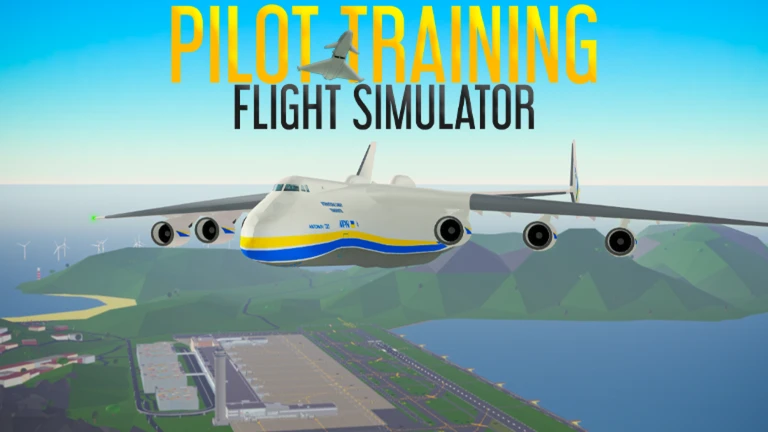
Pilot Training Flight Simulator Update: Latest News & Changes
Stay ahead with the latest Pilot Training Flight Simulator update. Discover new aircraft, map expansions, and gameplay improvements in this complete guide.
Published:
Table of Contents
The skies over the Roblox platform are constantly evolving, and keeping up with every Pilot Training Flight Simulator update is essential for any aspiring virtual aviator. Whether you are a commercial pilot enthusiast or a military jet aficionado, understanding the most recent shifts in game mechanics can significantly improve your performance and overall experience.
Staying informed about these changes is crucial because the developers, the Pilot Training Club, frequently introduce new aircraft, environmental physics, and quality-of-life adjustments that alter how you interact with the world. In this comprehensive guide, we will break down the latest content drops and provide actionable tips to help you master the new systems.
The Evolution of Flight: Recent Update Trends
Since 2019, the developers have consistently pushed the boundaries of what is possible within the Roblox engine. By analyzing the release history, it is clear that recent updates prioritize realism, such as altitude-based speed limits and advanced vehicle handling, alongside a steady stream of new fleet additions.
Tracking every pilot training flight simulator update helps players anticipate which airports or liveries might receive overhauls next. Below is a breakdown of how the game has evolved over the past few years:
Timeframe
Focus Area
Impact on Gameplay
2024 - 2025
Model Remodels
Higher visual fidelity and improved cockpit systems.
2023
Mission Expansion
Added structured objectives and rewards.
2022
Tech Upgrades
Introduction of mobile support and carrier operations.
2020 - 2021
Environmental
Introduction of dynamic weather and ATC tools.
Why Developers Update the Fleet
New aircraft additions are not just for show. Each model often comes with unique flight characteristics, such as specific takeoff speeds or stall recovery requirements. When a new plane hits the hangar, take the time to visit the official game page to check the latest specs or community discussions.
Mastering New Gameplay Mechanics
The most significant updates often involve changes to how you control your craft. From "Quality of Life" patches that allow you to hide the minimap to complex systems like aerial refueling and openable canopies, these additions require a shift in player habits.
Managing New Control Systems
If you have been away from the game, the addition of complex interactions—like ground crew vehicle interfaces and voice chat integration—might feel overwhelming. Here is how to adapt:
GUI Navigation: Familiarize yourself with the new interactable buttons on the screen. Many players miss out on features like pushback tugs simply because they haven't explored the updated UI.
Keybind Updates: Always check the settings menu after a major update, as control schemes (like the pushback 'P' key vs. the old 'B' key) are subject to change.
Performance Optimization: If you experience lag, look for "Optimization" notes in the log. These updates often improve performance on lower-end devices by adjusting parts count on legacy models.
Check the Changelog
Always verify the specific "Date" hyperlinks on the official Wiki if you find yourself confused by a change in flight physics or vehicle handling.
Essential Aircraft and Map Additions
The map, including recent expansions like McConnell Air Force Base and the updated Greater Rockford Island, offers new challenges for navigation. Understanding where to land and how to handle specific runway conditions is a skill that separates novices from pros.
Feature Type
Notable Additions
Why It Matters
Aircraft
DC-10, JAS 39 Gripen, A350
Changes the meta for speed and cargo capacity.
Map
Kai Tak Approach, Bird Island
Provides iconic, high-skill landing challenges.
Ground Utility
Fire Engine, Pushback Tugs
Enhances the roleplay experience beyond just flying.
Community-Reported Flight Tips
According to community reports, players often overlook the "Altitude-based Max Speed" mechanic introduced recently. This system forces you to manage your throttle more carefully at varying altitudes to avoid structural stress. Failing to manage your speed during rapid descents is a common mistake that leads to unnecessary "plane ditching" incidents.
Optimizing Your Performance
Whether you are a casual player or a serious flight simulation enthusiast, your setup within the game matters. Optimization updates frequently impact how ground vehicles or aircraft spawner UIs function.
Common Mistakes to Avoid
Many players try to use legacy flight techniques on newly updated aircraft. For example, the updated 777 or A330 models may have different flap deployment speeds than their predecessors.
Ignoring UI Prompts: Don't ignore the new notifications or tooltips that appear after a major pilot training flight simulator update.
Skipping Practice: With the addition of new mission sets, it is tempting to jump straight into high-performance jets. Use the test server to practice takeoff and landing with new models first.
Forgetting ATC Commands: As ATC systems evolve, ensuring you are using the correct command syntax is vital for orderly traffic management at busy airports.
Building Your Virtual Career
The game offers more than just flying; it offers a career progression path. By participating in missions at new airfields and mastering the ATC role, you earn badges that showcase your expertise.
How to Stay Ahead
Participate in Events: Community events often debut new map features or aircraft.
Join the Discord: Most information regarding the next pilot training flight simulator update is leaked or teased on the official community Discord server.
Use the Wiki: The Fandom wiki is the most reliable resource for tracking historical data and learning the "how-to" for complex aircraft systems.
Avoid Impersonators
Always check for the official developer badges or the verified link in the Roblox sidebar. Some users may create "fake" update servers to gain information or promote malicious content.
Frequently Asked Questions (FAQ)
Where can I find the full history of the Pilot Training Flight Simulator update log?
You can find a detailed list of all recorded changes since 2019 on the official PTFS Wiki. It is the most comprehensive resource for past and present patch notes.
Why do some planes fly differently after an update?
The development team frequently updates aircraft models to improve realism. When a plane is remodeled, its physics, speed, and handling characteristics are often adjusted to reflect a more accurate flight profile.
How do I report a bug found in the latest update?
The best way to report bugs is through the official community Discord or by following the instructions provided by the staff on the official group page. Avoid sharing bug reports in public chat, as they are rarely seen by developers there.
Does every Pilot Training Flight Simulator update include new planes?
No, not every update features a new aircraft. Many updates focus on "Quality of Life" (QoL) improvements, such as UI fixes, performance optimizations, or map changes, which are just as important for a smooth experience.