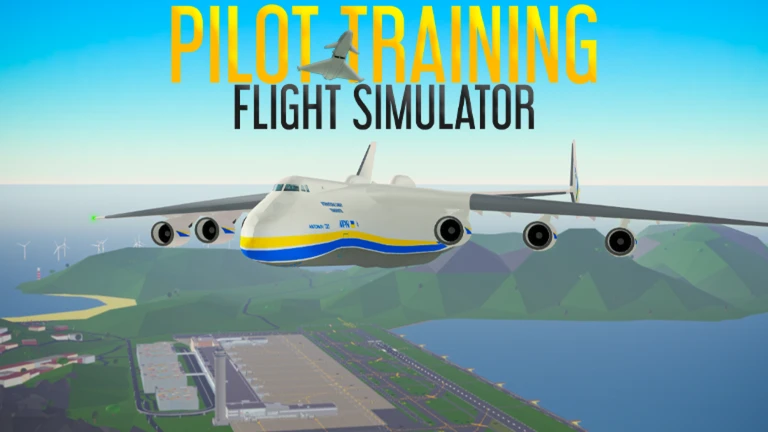
Pilot Training Flight Simulator: How to Start Engine Guide
Master the skies in Pilot Training Flight Simulator! Discover how to start engine, navigate controls, and perform perfect takeoffs with our expert guide.
Published:
Video Guide
How To Fly Planes in Pilot Training Flight Simulator - Easy TutorialTable of Contents
Taking to the virtual skies in Roblox's Pilot Training Flight Simulator (PTFS) is an exhilarating experience, but every journey begins with a successful pre-flight startup. If you are wondering about the pilot training flight simulator how to start engine process, you are not alone; mastering this fundamental mechanic is the first step toward becoming an expert aviator in this immersive environment.
Whether you are piloting a nimble fighter jet or a massive airliner, understanding how to power up your aircraft correctly is essential for a safe and realistic flight. This guide will walk you through the essential steps to get your engines humming, ensuring you are ready to taxi and take off with confidence.
Getting Started: Mastering the Basics of PTFS
In Pilot Training Flight Simulator, the flight experience is designed to be accessible yet authentic. Once you have navigated to the game Pilot Training Flight Simulator official page and selected your aircraft at a designated spawn point, your first priority is to gain control of the cockpit.
To begin, you must approach your spawned aircraft and press the "Z" key to enter the pilot's seat. Once inside, the pilot training flight simulator how to start engine procedure is remarkably straightforward: simply press the "E" key on your keyboard. You will notice the engine sound change and the cockpit instruments come to life, signaling that your plane is ready for the runway.
Essential Startup and Flight Controls
Understanding your interface is just as important as starting the engines. Below is a quick reference table for the most critical controls you will need during your initial taxi and takeoff phase.
Action
PC Keyboard Key
Mobile Interface
Engine ON/OFF
E
Engine Icon
Increase Throttle
W / Up Arrow
Throttle Slider UP
Pushback
P
Pushback Icon
Landing Gear
G
Gears Icon
Advanced Mode
Z
AdvancedMode Button
Pro Flight Tip
Before you throttle up, always check your surroundings. If your plane is facing the wrong way to exit the parking bay, use the "P" key to toggle pushback mode, which reverses your throttle direction.
Navigating the Flight Deck: Beyond the Engine Start
Once you have mastered the pilot training flight simulator how to start engine sequence, the next challenge is managing your aircraft on the ground. Many new pilots struggle with taxiing—the art of moving your aircraft from the parking stand to the active runway without causing a collision.
When you are ready to move, gently apply throttle using the "W" key. Keep your speed low while taxiing. According to community experience, a common mistake for beginners is using too much power while still on the taxiway, which makes the aircraft difficult to steer. Use your mouse to steer the nose wheel, and keep your eyes on the taxiway markings to ensure a smooth transition to the runway.
Taxiing and Ground Operations
Scenario
Recommended Strategy
Tight Turns
Use short bursts of throttle to pivot without gaining excessive speed.
Parking at Gate
Align your front gear with the guide line; turn off engines only when fully stopped.
Jetbridge Access
Ensure you reach the stop line so the door aligns perfectly for boarding.
Taking to the Skies: Your First Successful Takeoff
With the engines running and the taxi complete, you are ready for the most rewarding part of the game. To achieve lift, ensure your throttle is set to at least 80-100%. As you accelerate down the runway, watch your speed indicator.
Once you reach a sufficient speed, gently pull back on your mouse to lift the nose of the aircraft. As soon as you are safely airborne, remember to retract your landing gear by pressing the "G" key. This reduces drag and significantly improves your plane's handling characteristics during the initial climb.
Why Aircraft Stall and How to Recover
Stalling is a natural concern for every new pilot. A stall occurs when your wings lose the ability to generate lift, often caused by an excessively high pitch angle or insufficient engine power. If you feel your plane becoming sluggish, follow these steps:
Lower the Nose: Immediately reduce your angle of attack to regain airflow over the wings.
Increase Throttle: Ensure your engines are at maximum capacity to regain speed.
Monitor Altitude: Always keep an eye on your vertical speed indicator to ensure you have enough buffer from the terrain below.
Advanced Features for Seasoned Aviators
Once you have the basics down, Pilot Training Flight Simulator offers a wealth of advanced systems to enhance your roleplay experience. Many players enjoy using Cruise Mode (press "T") to stabilize their flight while walking around the cabin, or deploying flares ("K") for a bit of flair during military training sorties.
For those flying military aircraft, "Advanced Flight Mode" is a game-changer. By pressing "Z", you can unlock full 360-degree rotation on the pitch and roll axes, allowing for aerobatic maneuvers. However, we recommend sticking to standard controls until you are completely comfortable with landing and basic navigation, as the increased sensitivity can be tricky for newcomers.
FAQ: Frequently Asked Questions
Q: How do I turn the engine off after landing?
A: To shut down, simply press the "E" key again once you have safely arrived at your parking stand. This is the exact opposite of the pilot training flight simulator how to start engine process.
Q: Why won't my engine start?
A: Ensure you are sitting in the pilot's seat (press "Z") and that your aircraft is properly spawned on a valid spawn point. If the plane is already occupied or the game has encountered a glitch, try respawning your aircraft.
Q: Can I refuel in mid-air?
A: Yes, but it is considered an advanced maneuver. You must fly a compatible fighter jet to the boom of a tanker aircraft. For beginners, we recommend using the ground-based "FUEL" stations located around the airport.
Q: What is the best plane for beginners to practice with?
A: Many community players suggest starting with the smaller light aircraft or general aviation planes. These models are more forgiving, have shorter takeoff distances, and provide a much better view of the landing strip during your initial training sessions.