Mastering Pilot Training Flight Simulator Landing: A Pro Guide
Struggling with your approach? Discover how to perfect your Pilot Training Flight Simulator landing with our expert tips on PAPI lights, speed, and flare.
Published:
Table of Contents
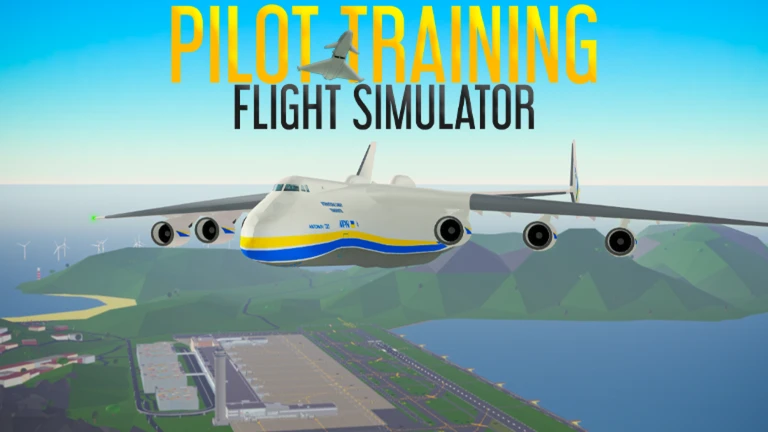
Landing an aircraft in Roblox’s most popular aviation experience is the true test of a skilled aviator. Whether you are flying a nimble Cessna or a massive Boeing 747, mastering your pilot training flight simulator landing technique is essential for ensuring passenger safety and achieving those perfect touchdowns.
Many beginners find the transition from cruising to touchdown the most stressful part of the flight. However, by understanding the physics of your aircraft and the visual aids provided at airports, you can transform your approach from a chaotic descent into a graceful landing. In this guide, we will break down exactly how to execute a professional pilot training flight simulator landing every single time you hit the runway.
The Importance of Precision in Your Approach
A successful landing does not begin when your wheels touch the tarmac; it begins miles away during your initial descent. If your approach is unstable, your landing will inevitably be rough. Pilots often underestimate the importance of configuration—ensuring your flaps, gear, and speed are set correctly before you even align with the runway.
When you fail to manage your energy during the approach, you risk overshooting the runway or stalling before you reach the threshold. Achieving a smooth pilot training flight simulator landing requires a combination of visual awareness and throttle control. Think of the landing as a controlled descent rather than a sudden drop.
Understanding PAPI Lights: Your Visual Guide
Precision Approach Path Indicators (PAPI) are your best friends when navigating toward a runway. These lights, located on the side of the landing strip, provide instant feedback on your glide slope. According to the Pilot Training Flight Simulator Wiki, these lights are the key to maintaining the correct altitude.
Light Configuration
Meaning
Action Required
4 White Lights
Too High
Decrease altitude/descent rate
3 White, 1 Red
Slightly High
Maintain steady descent
2 White, 2 Red
Perfect Glide Slope
Maintain current pitch and speed
1 White, 3 Red
Slightly Low
Increase power slightly
4 Red Lights
Too Low
Immediate climb/increase power
Always aim for the "two white, two red" configuration. If you see four red lights, you are dangerously close to the ground or obstacles before the runway threshold.
Managing Landing Speed and Throttle Control
Speed management is perhaps the most critical factor in a smooth landing. If you approach too fast, the plane will "float" down the runway, potentially causing you to overshoot. If you are too slow, you run the risk of a stall, which can lead to a hard, damaging impact.
Watch for the "Landing Speed" UI indicator that appears in the game. When you see this, you are in the "sweet spot" for a stable approach. Here is how you should manage your speed:
Early Approach: Reduce throttle early to allow the plane to lose kinetic energy.
Final Approach: Keep the throttle steady to maintain the Landing Speed range.
Touchdown: Cut the throttle completely as the rear wheels make contact.
Avoid the Stall
If your airspeed indicator drops into the red zone, increase your throttle immediately to prevent a stall. A stall at low altitude is often fatal to your flight mission.
Perfecting the Flare: The Art of the Touchdown
The "flare" is the final maneuver before touchdown where you raise the nose of the aircraft. This action reduces your vertical speed and allows the rear landing gear to touch the ground before the front gear. A common mistake among new players is "slamming" the plane onto the runway.
To perform a perfect flare:
Initiate: As you cross the runway threshold, gently pull back on your flight controls.
Hold: Keep the nose slightly up to "float" the plane just inches above the pavement.
Settle: Let the aircraft lose speed until the rear wheels naturally settle onto the runway.
Community Report: Many experienced pilots in the Pilot Training Club suggest practicing your flare at lower speeds in free-flight mode to get a feel for the specific pitch sensitivity of different aircraft models.
Common Landing Mistakes to Avoid
Even seasoned players can fall into bad habits. Recognizing these pitfalls is the first step toward becoming a master pilot.
Mistake
Consequence
How to Fix
Landing too early
Under-shooting the runway
Adjust your glide slope using PAPI lights
Landing too late
Over-running the runway
Execute a go-around if you pass the touchdown zone
Front gear first
Potential gear damage
Ensure the rear wheels touch first via a proper flare
Excessive speed
Hard, bouncy landing
Use airbrakes and reduce throttle earlier
Step-by-Step Landing Checklist
To ensure every pilot training flight simulator landing is safe, follow this internal checklist before reaching the runway:
Alignment: Is your nose pointed directly down the runway centerline?
Speed: Are you within the recommended landing speed range?
PAPI Check: Are you seeing two red and two white lights?
Configuration: Are your landing gears down?
Flare: Are you ready to lift the nose slightly at the last second?
Following these steps consistently will help you build "muscle memory," making your landings look professional and effortless.
FAQ: Frequently Asked Questions
Q: How do I know if I am landing too fast?
A: If the plane continues to hover above the runway despite your efforts to descend, your speed is likely too high. Monitor the Landing Speed UI and reduce power sooner in your approach.
Q: Why does my plane bounce when I land?
A: Bouncing usually occurs because of an excessively high descent rate or landing speed. Focus on a softer flare and ensure your rear gears touch the ground before the front ones.
Q: Can I land at any airport in the game?
A: Yes, you can practice your pilot training flight simulator landing at various locations across the map. Each airport has unique runway lengths and PAPI light configurations, so practice at different sites to improve your skills.
Q: What should I do if I am not aligned with the runway?
A: If you find yourself misaligned during your final approach, do not force the plane to land. Perform a "go-around" by increasing throttle, climbing back to a safe altitude, and circling the airport to re-align your approach.