Master the Pilot Training Flight Simulator Landing Challenge
Learn how to ace every pilot training flight simulator landing challenge on Roblox. Discover tips for PAPI lights, flare techniques, and smooth touchdowns.
Published:
Table of Contents
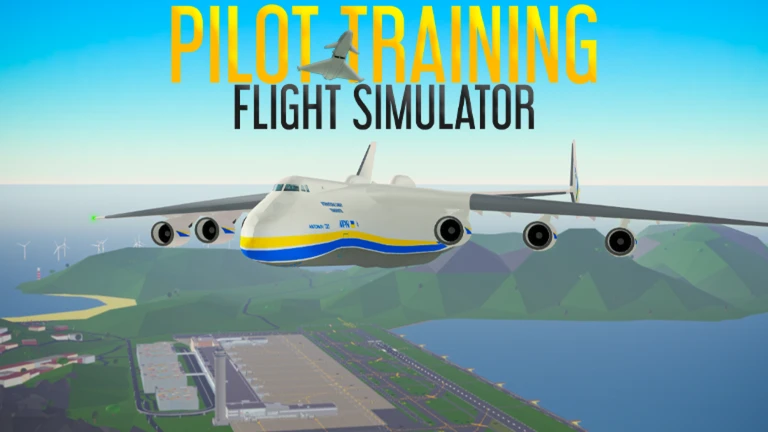
Landing an aircraft is often cited by both real-world pilots and virtual aviators as the most demanding phase of flight. In the Roblox ecosystem, mastering the pilot training flight simulator landing challenge has become a rite of passage for players looking to prove their skills within the Pilot Training Club’s expansive world. Whether you are navigating a massive Boeing 747 into Tokyo International or trying to stick a "buttery" landing in a small A320 at a regional strip, the technical requirements remain consistent. Winning a pilot training flight simulator landing challenge requires a blend of precision, timing, and a deep understanding of the game's flight physics.
For many players, the difference between a successful touchdown and a "kaboom" on the runway comes down to the final thirty seconds of the approach. Community reports suggest that the most common reason for failure isn't just lack of experience, but a failure to respect the fundamental mechanics of airspeed and glideslope. In this comprehensive guide, we will break down every stage of the landing process, providing you with the tools needed to dominate your next competitive session or personal milestone.
The Anatomy of a Successful Approach
Before you even touch the controls for your final descent, you must understand that a good landing starts miles away from the runway. The "approach" is the path an aircraft follows as it prepares to land. In a typical pilot training flight simulator landing challenge, players often make the mistake of rushing their descent, leading to what the community calls a "firm" or "hard" landing.
To avoid this, you must establish a stabilized approach. This means your aircraft is at the correct speed, the correct altitude, and aligned with the runway centerline well before you reach the threshold. According to player experience, trying to fix a bad approach at the last second usually results in an overrun or a crash.
Speed Management and Flap Configuration
One of the most critical factors in any landing is your airspeed. As seen in recent community gameplay, attempting to land at speeds exceeding 400 knots is a recipe for disaster. The game provides a "Landing Speed" UI element that appears when you are within the safe operational range for your specific aircraft. Ignoring this UI is the fastest way to lose points in a challenge.
Aircraft Category
Recommended Approach Speed (KTS)
Recommended Flap Setting
Light Aircraft (Cessna, etc.)
60 - 80
Full / Position 3
Narrow-body Jets (A320, 737)
130 - 150
Full / Position 5
Wide-body Jets (787, 777, A380)
140 - 160
Full / Position 5-6
Heavy Cargo / Super (747, An-225)
150 - 170
Maximum
The Throttle Secret
Don't wait until you are over the runway to cut your throttle. Gradually reduce power as you descend. If you find yourself "floating" too long over the runway, your entry speed was likely 10-20 knots too high.
Using Visual Guidance: PAPI Lights and Runway Indicators
When participating in a pilot training flight simulator landing challenge, you aren't flying blind. The game includes Precision Approach Path Indicators (PAPI), which are four lights located near the runway touchdown zone. These lights change color based on your altitude relative to the ideal 3-degree glideslope.
Understanding these lights is essential for maintaining a professional descent profile. If you see four white lights, you are too high; four red lights mean you are dangerously low and at risk of hitting obstacles or the "grass" before the runway.
PAPI Light Reference Table
Light Configuration
Meaning
Action Required
● ● ● ● (4 White)
Too High
Increase descent rate / Reduce throttle
● ● ● ● (3 White, 1 Red)
Slightly High
Minor adjustment to pitch
● ● ● ● (2 White, 2 Red)
Perfect Glideslope
Maintain current descent profile
● ● ● ● (1 White, 3 Red)
Slightly Low
Add small amount of power
● ● ● ● (4 Red)
Too Low / Danger
Increase power immediately / Pull up
Beyond the PAPI lights, players should aim for the "aiming point" markings on the runway. These are the thick white blocks located shortly after the runway threshold. Landing too early (before the threshold) or too late (past the touchdown zone) will result in significant point deductions in any organized pilot training flight simulator landing challenge.
The Art of the Flare and Touchdown
The "flare" is the maneuver performed just seconds before touchdown where the pilot raises the nose of the aircraft. This serves two purposes: it reduces the rate of descent for a softer impact and ensures the rear landing gear touches the ground before the nose gear.
In community landing challenges, a "buttery" landing is the ultimate goal. This refers to a touchdown so smooth that the vertical speed is near zero at the moment of contact. However, players must be careful not to "over-flare." Raising the nose too high can cause the aircraft to climb again (ballooning) or result in a tail strike, both of which are considered "skill issues" in the PTFS community.
Step-by-Step Flare Technique
Maintain Approach: Keep your two-white, two-red PAPI lights until you are approximately 50-100 feet above the runway.
Throttle Reduction: Gradually pull back the throttle to idle (0%) as you cross the runway threshold.
The Pull Back: Gently pull back on your yoke or mouse to raise the nose by about 3 to 5 degrees.
Hold the Attitude: Let the aircraft settle onto the runway. Do not force it down; let the loss of airspeed naturally bring the wheels to the tarmac.
Nose Gear Drop: Once the main gear is down, gently lower the nose gear. Do not let it slam down.
Avoid the "Go-Around" Disqualification
In many competitive community challenges, performing a "go-around" (aborting the landing to try again) is either penalized or leads to immediate disqualification. Practice your stability early so you don't have to abort late.
Comparing Aircraft for Landing Challenges
Not all planes in Pilot Training Flight Simulator are created equal. Some aircraft are inherently more stable, while others are "floaty" and difficult to settle. If you are entering a pilot training flight simulator landing challenge that allows you to choose your own plane, selection is key.
Aircraft Performance Comparison
Aircraft
Stability
Landing Difficulty
Why Choose It?
Boeing 787
High
Medium
Excellent cockpit visibility and predictable handling.
Airbus A320
Medium
Low
Great for beginners; very responsive to throttle changes.
Boeing 777
High
Medium
Heavy enough to resist wind but requires precise flaring.
Airbus A380
Very High
High
Massive size makes it stable, but it requires a huge runway.
F-35 / Fighters
Low
Very High
Extremely fast; requires high-precision braking and AoA.
Community reports often highlight the Boeing 787 as the "Goldilocks" aircraft—not too heavy, not too light, and very forgiving during the flare phase. Conversely, smaller regional jets can be twitchy, making it harder to achieve that perfect center-line alignment.
Common Pitfalls in Community Challenges
Based on observations from community events, even experienced pilots fall victim to simple errors during a pilot training flight simulator landing challenge. The pressure of being watched by friends or a "virtual ATC" can lead to rushing.
The "400 Knot" Mistake: Rushing the approach because you want to get to the landing faster. This almost always leads to an overrun into the water or grass.
Misjudging the Heading: The runway number (e.g., 36R) indicates its heading (360 degrees). Failing to align your compass with the runway heading means you will be fighting a diagonal approach, making a smooth touchdown nearly impossible.
Late Braking: Players often forget that heavy jets have significant momentum. You must engage spoilers and autobrakes (if available) or manual braking immediately upon touchdown.
Ignoring Weather: Rain and wind in PTFS aren't just visual effects; they impact your handling. In wet conditions, your stopping distance increases significantly.
Checklist for a Professional Landing
[ ] Flaps set to maximum for landing.
[ ] Landing gear confirmed down.
[ ] Speed within the "Landing Speed" UI range.
[ ] PAPI lights showing 2 white, 2 red.
[ ] Spoilers armed (if applicable).
[ ] Runway heading matched on the compass.
Next Steps for Aspiring Pilots
Once you have mastered the basic pilot training flight simulator landing challenge, the next step is to increase the difficulty. Try landing in heavy crosswinds, at night without full HUD assistance, or at shorter, more dangerous airstrips like those found on the smaller islands in the PTFS map.
The community frequently organizes these events, often awarding "Lucky Charms" or other joke prizes to the winner, but the real reward is the reputation of being a "buttery" pilot. Keep practicing your flare, watch your airspeed, and remember: any landing you can walk away from is good, but a landing where you can reuse the plane is great.
FAQ: Pilot Training Flight Simulator Landing
How do I join a pilot training flight simulator landing challenge?
Most landing challenges are community-organized. You can join a Pro server or a private server with friends. Simply pick an airport (like Greater Rockford), set a specific aircraft, and take turns landing while others spectate using the Free Cam (requires ATC badge/gamepass) to judge the smoothness and accuracy of the touchdown.
What is the "Landing Speed" UI and why does it matter?
The Landing Speed UI is a built-in guide in PTFS that tells you when your aircraft is at the optimal velocity for a safe touchdown. If you are above this speed, you risk bouncing or overshooting the runway. If you are below it, you risk stalling and falling out of the sky before reaching the tarmac.
Why does my plane keep bouncing when I land?
Bouncing usually happens for two reasons: you are coming in too fast, or your vertical descent rate is too high. To fix this, ensure you are within the recommended landing speed and practice your "flare"—pulling the nose up slightly just before the wheels touch the ground to soften the impact.
Which airport is best for practicing landing challenges?
Greater Rockford is highly recommended for beginners because it has one of the longest runways in the game, providing plenty of room for error if you float too long or fail to brake in time. For an advanced pilot training flight simulator landing challenge, try the smaller island strips or airports with difficult terrain approaches.