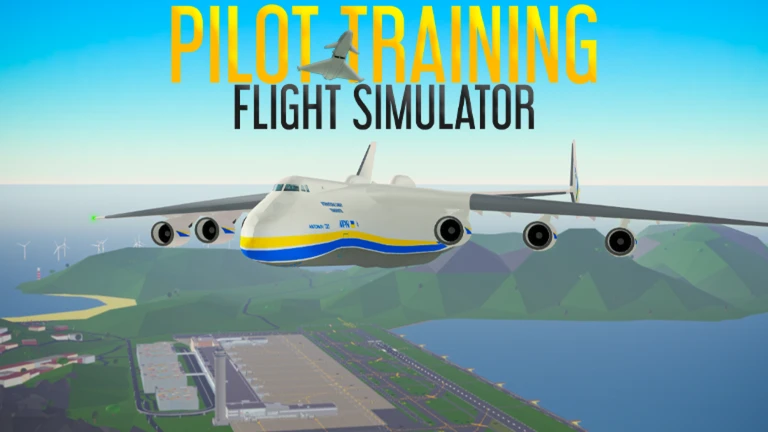
Pilot Training Flight Simulator Tokyo Guide: Airport Tips
Master the Tokyo International Airport in Pilot Training Flight Simulator with our expert guide. Discover landing tips, gate info, and hidden secrets.
Published:
Video Guide
Pilot Training Flight Simulator Tokyo - Sauthemptona SpeedrunTable of Contents
Flying in the vast skies of Roblox can be intimidating, but few locations are as iconic or challenging as the Orenji archipelago. Whether you are a veteran aviator or a cadet earning your wings, mastering the pilot training flight simulator tokyo layout is essential for any serious pilot looking to improve their precision and handling. This guide provides an in-depth breakdown of how to navigate, land, and thrive at one of the game's most popular aviation hubs.
Why is this location so important for your progression? As the most populated airport in the game, it serves as a central point for both commercial operations and competitive skill-testing. Understanding the pilot training flight simulator tokyo environment allows you to handle high-traffic conditions, manage complex taxiing, and even discover hidden Easter eggs that have puzzled the community for years.
Understanding the Tokyo International Airport Layout
Tokyo International Airport, inspired by the real-world Haneda Terminal 2, is uniquely situated on the island of Orenji. Unlike standard regional airfields, this hub is a massive complex built partially on reclaimed artificial land.
Key Infrastructure Breakdown
The architecture of this airport is designed to test your spatial awareness. One of the most notable features is the bridge-tarmac system that connects the main terminal to the artificial island runway.
Feature
Description
Strategic Value
Runway 02/20
Artificial island runway
Requires precise approach due to bridge proximity
Runway 13/31
Longest in the game (1,478m)
Ideal for heavy aircraft like the A380
Ground Crew Bay
Located under former Gate 6
Central hub for service vehicles
Total Gates
23 total gates
High capacity for multi-player sessions
According to community reports, players should be extremely cautious when taxiing near the bridge connecting the artificial island. If you are operating a large aircraft, the wingspan can easily lead to a collision if another player is moving in the opposite direction.
Landing and Takeoff Strategies
Executing a perfect landing at a busy airport requires more than just luck; it requires a plan. Because this airport serves as the primary spawn point for almost every aircraft in the game, the airspace is often crowded.
Pro-Tips for Approach
Monitor the ATC: Always keep an eye on active ATC commands to avoid airspace congestion.
Watch the Bridge: When lining up for Runway 02/20, ensure your descent path is stable early. The artificial island extension is narrow, and overshooting can put you in the drink.
Fuel Management: Since there is only one refueling tank currently operational at this facility, expect queues. Plan your fuel consumption accordingly to avoid long waits on the tarmac.
Aircraft Compatibility: What Can You Fly?
The airport's infrastructure is built to support a wide range of planes, from nimble light aircraft to massive wide-body jets. The following table highlights the variety of aircraft types you can successfully operate at this location.
Aircraft Class
Examples
Suitability at Tokyo
Light Aircraft
Cessna 172, Piper Cub
Excellent for short-field practice
Regional Jets
CRJ700, Embraer E190
Perfect for standard terminal gates
Heavy Jets
Boeing 747, Airbus A380
Best for Runway 13/31 operations
Military/Specialty
F-22 Raptor, C-130
Use caution at gates due to wing span
Heavy Aircraft Handling
When flying the Airbus A380 or Boeing 747, prioritize using Runway 13/31. Its length provides the necessary clearance for takeoff rotation and stable landing rollouts, reducing the risk of a "tail strike" or overrunning the runway end.
Hidden Secrets and Community Discoveries
Beyond the technical aspect of flight, the developers have hidden several "badges" around the airport for players to collect. Community members have spent countless hours scouting the terminal to find these markers.
Famous Easter Eggs
The John Xina Badge: This is hidden behind a set of doors near Gate 9. It is one of the most sought-after badges in the area.
Ground Crew Access: The ground crew station is cleverly integrated into the terminal structure between gates 5, 6, and 7, making it the only airport where the crew station isn't a separate building.
The Abandoned Gate 6: After the major Airbus remodel, Gate 6 was repurposed. However, eagle-eyed players can still see the faded marks of the old taxiway lines on the tarmac.
Common Mistakes to Avoid
Even experienced pilots make errors in high-traffic zones. Based on common forum discussions and player logs, here are the top mistakes you should avoid when practicing at this airport:
Taxiing Speed: Moving too fast on the bridge is the #1 cause of accidental wing strikes. Keep your taxi speed below 15 knots.
Ignoring the ATC: Even if you aren't roleplaying, following ground instructions keeps the flow of traffic moving.
Gate Mismanagement: Don't park your massive cargo plane in a bus-only gate (Gates 3 & 4). It blocks smaller aircraft and ruins the immersion for others.
Expanding Your Horizons: Beyond Tokyo
Once you feel comfortable with the pilot training flight simulator tokyo operations, you should consider exploring the rest of the Orenji archipelago. The island chain is vast, featuring the mountainous terrain that offers a stark contrast to the urban development found near the Tokyo hub.
Which runway is best for landing at the Tokyo airport?
For most heavy aircraft, Runway 13/31 is recommended due to its length of 1,478 meters, which is the longest in the game. If you are practicing with smaller planes, you can experiment with Runway 02/20.
How do I find the John Xina badge?
The John Xina badge is located inside the terminal building. Specifically, look for a set of doors near Gate 9. Once you navigate to that area, you will be able to claim the badge.
Can I land any plane at the Tokyo International Airport?
Yes, this airport is the most versatile in the game, capable of spawning and supporting all available aircraft types, including heavy cargo planes and military jets.
What should I do if the refueling tank is too busy?
Since there is only one refueling station at this airport, queues can be long. If you are in a rush, consider flying to a nearby smaller airfield or simply plan your fuel capacity before landing to avoid needing an immediate top-up.